Understanding how electricity is consumed in your building's common areas is the first step toward making informed decisions about shared costs. This page explains what a technical energy audit provides and how it can help your committee.

Shared electricity in residential buildings covers multiple systems that operate independently, often without clear visibility into which ones consume the most. Without measurement, it is difficult to know where to focus improvement efforts.
The electricity bill shows a total — it does not tell you how much the elevators cost versus the corridor lighting versus the pumps. Without this breakdown, decisions about where to invest are based on assumption rather than data.
Many buildings were constructed with equipment chosen for initial cost rather than operating cost. Older lighting, conventional elevator motors, and uncontrolled pump systems can consume significantly more electricity than modern equivalents.
When a committee wants to propose an investment in energy efficiency, residents naturally want to know the projected return. Without a technical audit, those numbers are not available — making it difficult to build consensus for improvement projects.
Not every efficiency upgrade makes financial sense in every building. The payback period depends on current consumption, current tariff rates, and equipment costs. Only measurement can determine which investments are justified.
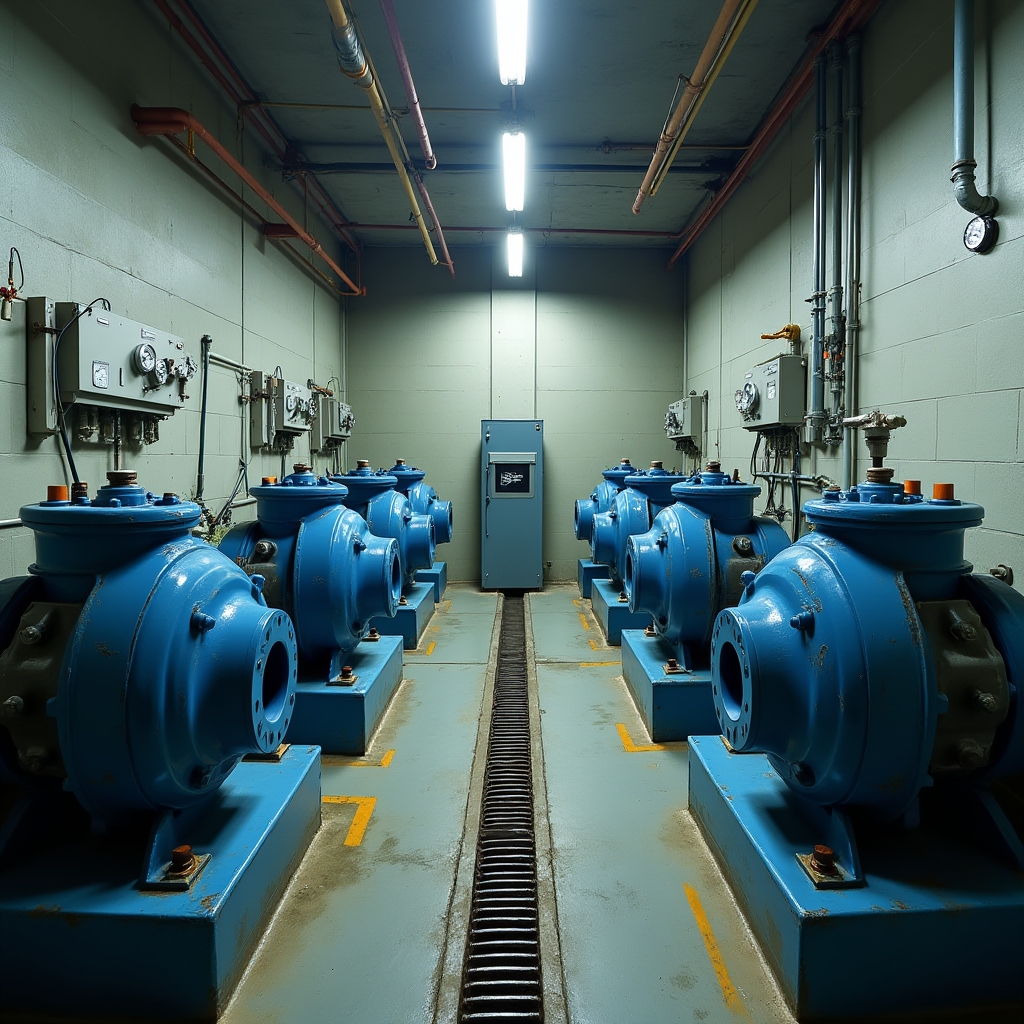
Every electrical system in your building's shared spaces contributes to the common electricity bill.
A Vexloni energy audit transforms the conversation from "we should spend less on electricity" to "here is what each system costs, here is what we can do about it, and here is the payback period."
The audit report is structured for presentation at residents' assemblies. It includes an executive summary that explains current costs, recommended actions, and projected savings in straightforward terms without requiring technical knowledge to understand.
Our report includes technical specifications for recommended upgrades. This gives the committee everything needed to request competitive quotes from multiple suppliers and installers, ensuring the community gets fair market pricing for any work undertaken.
The report ranks recommended improvements by potential savings and payback period. This allows the committee to sequence investments logically — starting with those that deliver the fastest return — rather than trying to do everything at once.
Because Vexloni does not sell equipment or perform installations, our recommendations are not influenced by commercial interests. The committee can present our findings to residents knowing the analysis is objective and based solely on measured data.
Energy audits are typically initiated by building committees, building administrators, or individual owners who are concerned about the level of shared electricity costs and want to understand the options for reducing them.
The audit is paid for from the building's operating budget or maintenance fund, as it is a technical service that benefits all owners through the potential reduction in shared costs.
Request a QuoteContact us to describe your building and learn how a technical energy audit could help your committee understand and manage shared electricity costs.